guide
How to Turn a Phone Photo Into Wall Art (Without the Guesswork)
By The ArtPixio team · 24 March 2026
Almost every great piece of wall art now starts the same way: a photo already in your camera roll. Turning that phone photo into something worth hanging is less about owning a fancy camera and more about choosing the right image and treating it well. This guide walks the whole process, with the specifics that actually change the result, so your finished print looks deliberate rather than like a screenshot blown up too far.
Start by picking the right photo, not the prettiest one
The single biggest factor in your final result is the photo you begin with. A “good enough” snapshot that’s sharp will always beat a beautiful one that’s slightly blurry. When you scroll your camera roll, look for three things:
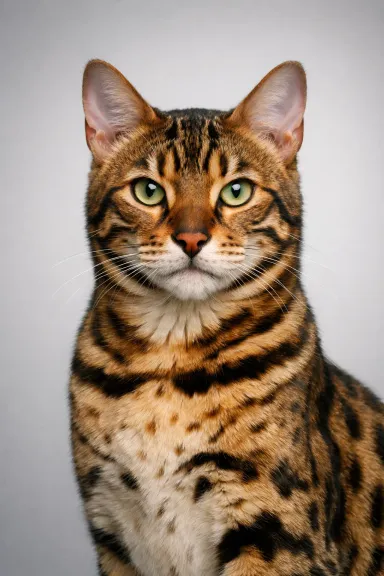
- Sharp focus on the face and eyes. Pinch-zoom into the photo. If the eyes go soft and fuzzy, the print will too. Crisp eyes are what make a portrait feel alive.
- Good, even light. Soft daylight near a window or open shade outdoors is ideal. Harsh midday sun creates hard shadows that swallow detail; very dim indoor light forces your phone to brighten the image, which adds grain.
- A clear subject. The face should be a meaningful part of the frame, not a distant speck. Busy backgrounds are fine to start with; the subject just needs to be present and well-lit.
If you’re making a pet portrait, the same rules apply with one addition: aim for the photo where their personality shows. Ears up, a tilted head, that one expression your family would recognize instantly. You’re not just capturing an animal; you’re capturing them.
If you can re-shoot, do it well
Sometimes the perfect photo doesn’t exist yet. A two-minute reshoot on a modern phone beats almost any attempt to rescue an old, soft image.
- Get to eye level. Crouch down so the lens is level with the face. Shooting down from standing height distorts proportions and flattens character.
- Find the window. Position your subject facing soft daylight. The light should fall on the face, not behind it; backlighting turns faces into silhouettes.
- Fill the frame, but leave room. Get close enough to see texture — fur, freckles, the catchlight in an eye — but don’t crop so tight that you clip the ears or chin.
- Take ten, keep one. Burst mode is free. Kids and pets rarely hold still, so shoot generously and pick the sharpest frame afterward.
Choose a style that fits the room and the subject
This is where a phone photo becomes art rather than just a large photo. The style sets the entire mood. A few honest pointers:
- Watercolor and drawing feel soft, light, and timeless; they suit bright rooms and gentle subjects.
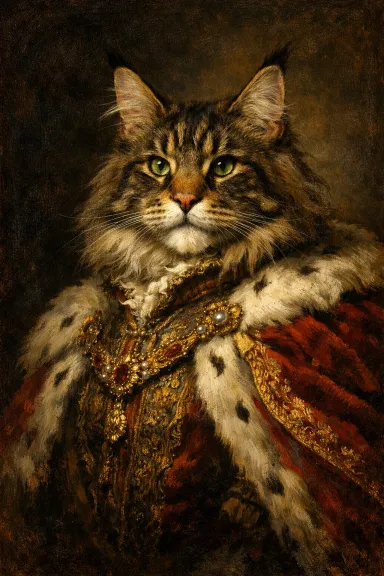
- Oil painting and baroque or regal portraiture carry weight and richness; they hold their own on a feature wall and flatter a dignified pose.
- Charcoal and studio realism lean classic and understated, beautiful in monochrome-leaning spaces.
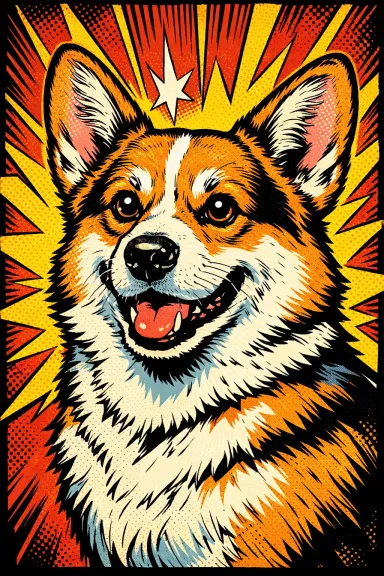
- Comic book, storybook, and steampunk are playful and characterful — great for a kid’s room, a gift, or a pet with an outsized personality.
There’s no single “best” style; there’s the one that matches your wall and the feeling you want when you walk past it. If you’re unsure, compare a couple of options side by side before committing. You can browse the full range on our styles page and see how the same photo reads completely differently across them.
A note on honesty: at ArtPixio these styles are generated with AI. We never claim a human sat at an easel for days. What we do promise is that it should genuinely look like your subject — and you get to confirm that before you pay.
Size it for your wall — the step most people skip
A print that’s the wrong size is the most common regret, and it’s entirely avoidable. Before you order:
- Measure the wall space, then tape a paper rectangle of your candidate size where the art will hang. Live with it for a day.
- For a single statement piece, aim for the art to span roughly two-thirds the width of the furniture beneath it, whether that’s a sofa, a console, or a bed.
- Hang at eye level. The accepted gallery standard puts the center of the piece about 145 cm (57 inches) from the floor; 57 to 60 inches is a safe range.
- Match the orientation to the photo. A tall subject suits portrait orientation; a reclining pet or a couple suits landscape. Forcing a square crop onto a tall composition usually clips something you wanted to keep.
Print on something that lasts
A phone photo deserves better than a flimsy poster that curls within weeks. Real canvas gives art texture and depth; it catches light the way a screen never can, and it reads as an object you chose to keep rather than a file you forgot in cloud storage. That permanence is the whole point of putting something on your wall.
This matters most for memorial portraits, where a digital download can’t carry the same weight as a physical keepsake you can hold. The same is true for gifts: a printed canvas portrait lands very differently from a link in a message.
Frequently asked
Will a phone photo be high enough quality for a large canvas? Usually, yes. Recent phones capture plenty of detail for canvas sizes, if the original is sharp and well-lit. Sharpness and light matter far more than megapixels. A crisp older photo often prints better than a blurry brand-new one.
Can I use an old or slightly imperfect photo? Often, yes — a stylised portrait is more forgiving than a straight photo print, because the artwork interprets rather than reproduces. The non-negotiables are recognizable features and reasonable focus. If those exist, there’s a lot to work with.
If you’ve got a photo in mind, the lowest-risk way to see how it’ll look is simply to try it. You can preview your dog portraits or cat portraits as real art first, see whether it truly captures them, and only order a canvas if it does. No pressure — just a quiet way to see your photo become something worth hanging.
See your pet as art – before you pay.
See your pet as art