guide
How to Photograph a Fluffy or Long-Haired Pet
By The ArtPixio team · 11 May 2026
Fluffy pets are gorgeous and genuinely hard to photograph. All that fur catches light, casts soft shadows, and either glows beautifully or dissolves into a flat, shapeless blob depending on how you shoot. If you want a photo good enough to turn into a portrait you’ll hang on the wall, a little intention goes a long way. Here’s how to photograph a fluffy pet so every wisp, curl, and whisker reads clearly.
Why fluffy fur is tricky
Long hair scatters light in every direction. Smooth-coated pets have crisp edges; a Pomeranian, Persian, or doodle has a soft halo that the camera struggles to separate from the background. Two problems show up again and again:
- The fur “blows out” — bright light hits the top layer and the detail underneath turns into a white smear.
- The pet blends into the background — pale fur on a pale couch, or a dark cat in a dim room, and you lose the shape entirely.
The fixes for both come down to light, contrast, and getting close.
Light: soft, sideways, and plenty of it
Fluffy fur looks its best in soft, directional light. The single easiest win is a large window during the day. Place your pet a couple of steps back from the window so the light comes across them from the side rather than straight on. Side light rakes across the coat and reveals texture — you’ll suddenly see individual strands instead of a fuzzy mass.
A few practical rules:
- Avoid harsh midday sun and direct flash. Both flatten fur and blow out highlights. Overcast days are a secret weapon; the whole sky becomes one giant soft light.
- Turn off overhead lights when shooting near a window — mixed light gives muddy color, especially on white or cream coats.
- Watch for “rim light.” If a little light wraps around the back of your pet’s head, it lights up the edge of the fur, and that halo is exactly what makes fluffy portraits sing.
If your pet is very dark, expose a touch brighter than feels natural so you keep detail in the coat. If they’re very pale or white, expose slightly darker so the fur doesn’t burn out to pure white. Most phones let you tap the screen on the pet, then drag the little sun icon up or down to nudge brightness.
Contrast: separate the pet from the background
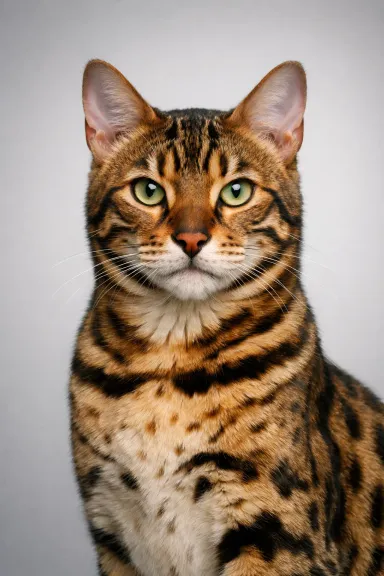
A plain background a few shades different from your pet’s coat does most of the work. Photograph a cream cat against a deep blue blanket, a black dog against a soft gray wall, a ginger fluffball against muted green. You want the outline of all that fur to stand out — the silhouette is what makes the breed and personality recognizable. Busy patterns and clutter compete with the fur and make the final image harder to read.
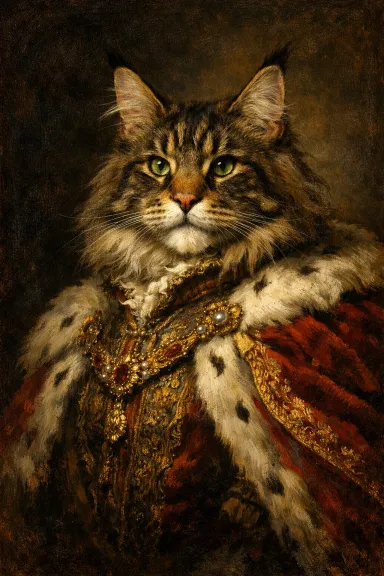
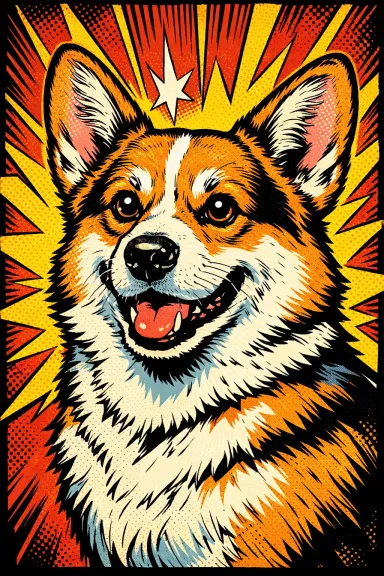
This matters even more for a portrait. The styles we offer — from soft watercolor to dramatic baroque — all lean on a clean read of your pet’s shape and face. The cleaner your original, the more the artwork looks like them.
Get low, get close, and focus on the eyes
- Drop to their eye level. Shooting down at a fluffy pet foreshortens them and hides the coat. Kneel, sit, or lie on the floor. This one change improves nearly every pet photo.
- Fill the frame, but leave room. Get close enough to capture fur texture, yet leave a little space around the head so the full fluffy outline isn’t cropped off.
- Lock focus on the nearest eye. Sharp eyes are non-negotiable. On a phone, tap the eye before you shoot. On a camera, depth of field is limited this close, so a middle aperture around f/5.6–f/8 helps keep both the eyes and the muzzle’s fur acceptably sharp.
Tame motion blur
Fur in motion blurs fast. Use a faster shutter or simply shoot in bright light, which lets the phone use a quicker exposure automatically. Burst mode is your friend — hold the shutter and fire ten frames, then pick the one where the eyes are open and the whiskers are crisp. For a wriggly dog or a restless cat, a treat or squeaky toy held just above the lens earns you one second of perfect attention.
Grooming and little details
A quick brush before the shoot removes mats and flyaways that read as messy clumps in a portrait. Wipe away eye gunk, and check for stray bits of bedding stuck in the coat. You don’t need a salon appointment — just five minutes so the fur photographs as the soft cloud it really is.
A quick pre-shoot checklist
- Daytime, near a big window, overhead lights off
- Pet a step back from the glass, light coming from the side
- Background a few shades different from the coat
- Camera at eye level, focus tapped on the nearest eye
- Burst mode, brightness nudged for dark or pale fur
- Coat brushed, eyes wiped, whiskers visible
Get two or three frames that meet most of these and you’ll have a photo that does your fluffy friend justice — whether they’re a regal long-haired cat or a doodle who never sits still. These same habits help with dog portraits and cat portraits alike.
Frequently asked
My white/cream pet looks gray or blown out. What now? It’s almost always exposure. Shoot in soft daylight, turn off overhead lights, and nudge the brightness down a little so the fur keeps detail instead of burning to pure white. A slightly darker background also helps the coat read as bright by contrast.
Can a slightly imperfect photo still make a good portrait? Often yes — sharp eyes and a clear outline matter more than a flawless shot. The honest answer is that it depends on the photo, which is exactly why you can preview the result before deciding.
When you’ve got a frame you love, you can upload it and see your pet rendered in a few different styles before you commit to anything — a real canvas keepsake only if the preview genuinely looks like them. No pressure, just have a look.
See your pet as art – before you pay.
See your pet as art