memorial
Coping With the Loss of a Pet: A Gentle, Practical Guide
By The ArtPixio team · 27 May 2026
If you are reading this with a lump in your throat, we are so sorry. The grief that comes with losing an animal is real grief — not a smaller version of it. Your pet was woven into the texture of ordinary life: the sound at the door, the weight on the bed, the routine that organized your mornings. When that goes quiet, the silence is loud. This guide is meant to be honest and practical, not to rush you through anything.
Your grief is valid — even when others don’t get it
One of the hardest parts of coping with loss of a pet is “disenfranchised grief”: mourning that the world around you doesn’t always recognize. A colleague might expect you back to normal in a day. Someone might say “it was just a dog.” That sting is common, and it is not a sign you are overreacting. You loved a living being who loved you back without conditions. Of course it hurts.
Let yourself feel it without a deadline. Grief is not linear. You may feel fine for hours and then be flattened by a food bowl you forgot to put away. That is normal. There is no correct order and no finish line you are failing to reach.
The first few days: small, concrete steps
When everything feels heavy, shrink the scope. You don’t have to cope with all of it — only the next small thing.
- Decide about belongings on your own timeline. Some people need the bed, leash, and toys gone quickly; others keep them close for weeks. Both are healthy. If you’re unsure, box things up rather than discarding them — you can decide later.
- Tell people in a way that protects you. A short message (“Our cat passed away yesterday. We’re heartbroken and may be quiet for a bit.”) spares you from repeating the news when you have no energy.
- Keep one anchor in your day. A walk, a meal, a shower. Grief disrupts appetite and sleep; gentle structure helps your body even when your heart can’t.
- Don’t make big, irreversible decisions yet — like immediately getting a new pet to fill the silence, or throwing everything out. Give the rawest days room to pass.
When you’re carrying guilt or hard decisions
Many people coping with loss carry “what ifs,” especially after illness or euthanasia: Did I wait too long? Too soon? Did I miss something? This guilt is almost universal and almost always unearned. You made decisions with love and the information you had at the time. Choosing to end an animal’s suffering is one of the kindest, hardest gifts a guardian can give. If the guilt loops and won’t quiet, that’s a sign to talk to someone — a pet-loss support line, an online bereavement community, or a counsellor. You don’t have to reason your way out of it alone.
Helping children and other pets through it
Children do best with simple, honest words. Avoid “put to sleep” or “went away,” which can create fear of sleep or of people leaving. Say the pet died, that its body stopped working, and that it’s okay to be sad. Let them help — drawing a picture, choosing a memento, saying goodbye in their own way — so they feel included rather than shut out.
Surviving pets grieve too. A dog or cat may search the house, eat less, vocalise, or grow clingy. Keep their routine steady, offer extra attention, and give it time. Many settle within a few weeks; if the change persists, your vet can help.
Ways to remember them that actually help
Mourning has a job to do, and ritual gives it somewhere to go. Pick what fits you:
- Make something tangible. A paw-print mold, a small box of their collar and tag, a photo album, a planted tree, a donation to a shelter in their name.
- Write to them. A letter, a list of favorite moments, the silly nicknames only you used. Getting it out of your head and onto a page is quietly powerful.
- Mark an anniversary — the day they came home, not only the day they left.
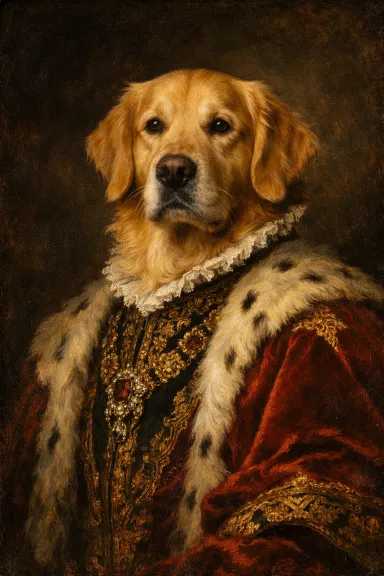
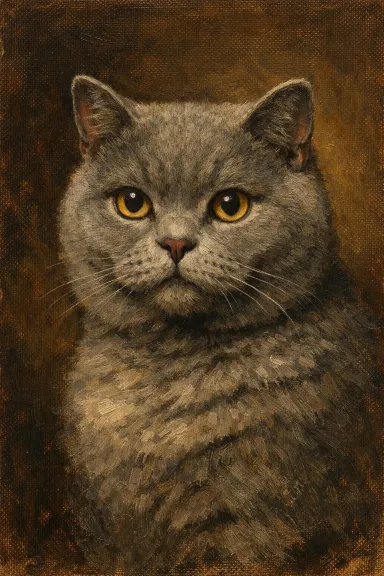
- Turn a favorite photo into a keepsake you’ll see every day. For many people, a portrait on the wall shifts a photo from “the picture that makes me cry” toward “the picture that makes me smile.” A softer style — a gentle watercolor or a warm oil painting — can make their face feel honored rather than clinical.
There’s a reason a physical object can comfort us: something you can see and touch gives your love a place to land. A memorial portrait on canvas isn’t about pretending they’re not gone — it’s about keeping them present and visible in the home they shared with you.
Be patient with the long tail
The acute pain softens, but love doesn’t expire on a schedule. Months later a song, a season, or a particular slant of afternoon light can bring it back. That’s not regression — it’s the shape of having loved deeply. Over time, most people find the missing and the gladness start to sit side by side: you can ache that they’re gone and smile that they were ever yours, in the same breath.
If grief becomes immobilising — you can’t function, eat, or get through days for weeks — please reach out to a doctor or a grief professional. Asking for help is strength, not weakness.
Frequently asked
How long does grief over a pet last? There’s no fixed timeline. Many people feel the sharpest pain ease within weeks to a few months, with waves that resurface for far longer. Intensity isn’t a measure of how “well” you’re coping — it’s a measure of how much they mattered.
Is it wrong to want a memorial keepsake? Not at all. Memorialising — a portrait, a paw print, a planted tree — is a recognized, healthy part of mourning. It gives your grief a focus and keeps good memories within reach.
Whenever you feel ready — today, or months from now — you can upload a favorite photo and preview your pet rendered as art before deciding anything. There’s no pressure to buy and no payment to look; you only continue if it truly looks like them. However you choose to remember them, we hope your days grow gentler. You can start a portrait or simply explore the styles on our home page when the moment feels right.
See your pet as art – before you pay.
See your pet as art